 Skip to main content
Living in Florida, especially in coastal areas like Jacksonville, St. Augustine, St. Johns, and Orange Park, means your roof faces more wear and tear than in many other states. With relentless heat, frequent storms, tropical humidity, salt air, and hurricane-season winds, roofing materials break down faster here. That’s why spotting early signs you need roof repairs in Florida is crucial for protecting both your home and your wallet.
Many Florida homeowners don’t realize there’s a roofing issue until water is already entering the home or visible structural damage appears. But the earlier you identify problems, the easier, and cheaper, they are to fix.
Below is a detailed, expanded guide to help you recognize when your roof is warning you that repairs are needed. These signs apply to all roofing types, including asphalt shingles, metal roofing, tile roofs, and flat roofing systems.
1. Missing, Cracked, or Lifted Shingles
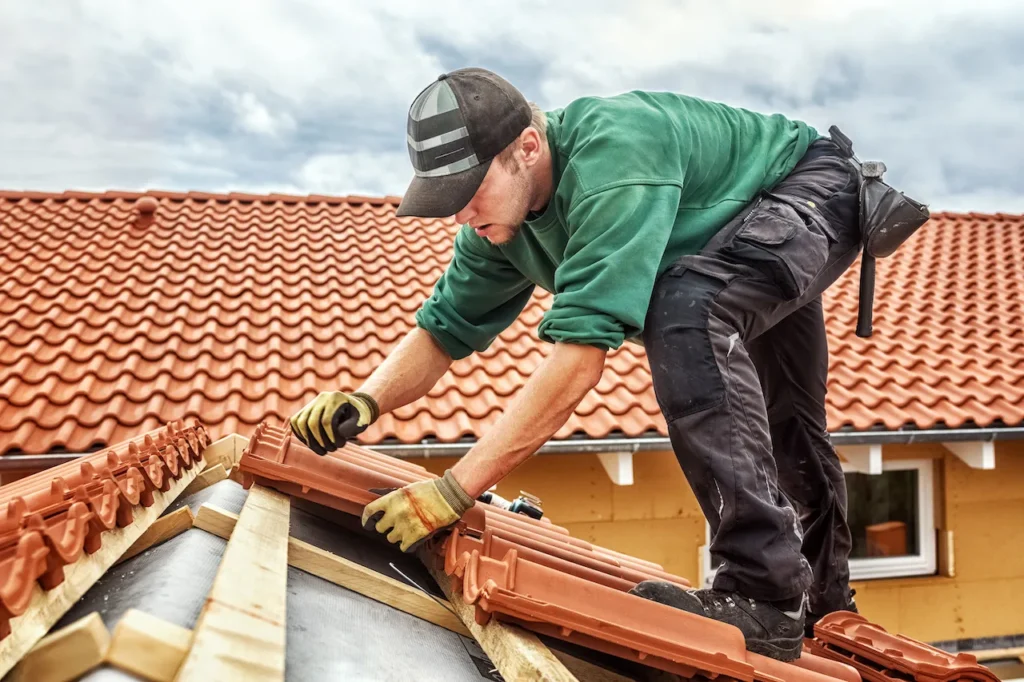
High winds and strong UV exposure are the two biggest threats to shingles in Florida. Even brand-new roofs can experience shingle movement or cracking after a tropical storm.
What to look for:
- shingles lying on the lawn
- curling shingle edges
- cracks or visible breaks
- uneven or lifted rows of shingles
When shingles are missing or lifted, water penetrates the underlayment and eventually the roof decking. This leads to leaks, mold, and wood rot, problems that escalate quickly in humid climates. Call us today for expert roofing services.
2. Water Stains on Ceilings, Walls, or in the Attic
Indoor water staining is one of the most obvious signs of roof damage. In Florida, stains often appear after heavy rainstorms or during long stretches of humid weather.
Common signs:
- yellow or brown rings on ceilings
- bubbling paint or soft drywall
- moisture or staining around skylights
- damp attic insulation
Even small leaks can cause big problems. Florida’s humidity traps moisture in wall cavities, increasing the risk of mold, mildew, and structural deterioration.
3. Sagging or Warped Rooflines
If you notice your roofline looks uneven, dips inward, or appears wavy, this is a serious red flag.
Causes may include:
- long-term water infiltration
- rotting roof decking
- overloaded roof structure after storms
- termite damage (common in Florida)
A sagging roof often indicates structural weakness and requires immediate professional evaluation.
4. Mold, Moss, Algae, or Dark Streaks
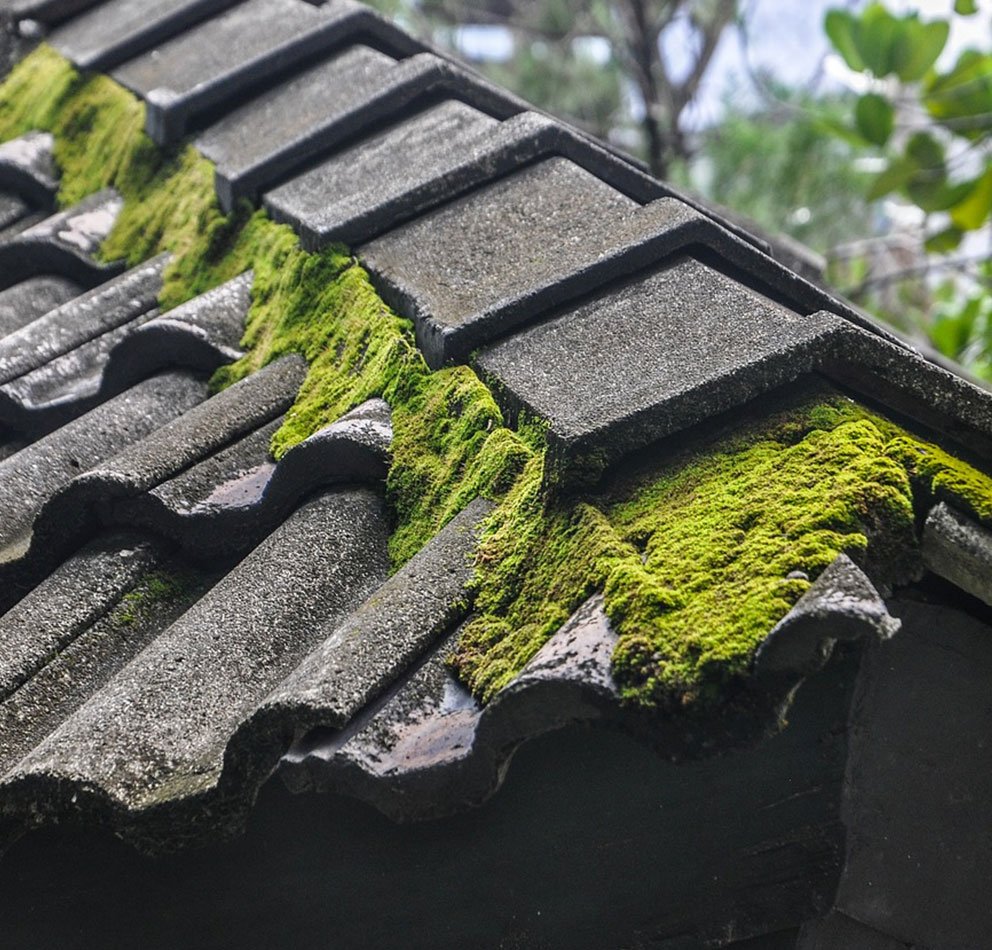
Because Florida is hot and humid most months of the year, roofs often develop mold and algae. While some discoloration is cosmetic, excessive growth can indicate water retention or ventilation problems.
Warning signs include:
- black streaks running down your roof
- green or fuzzy patches of moss
- visible mold near roof penetrations
Moisture buildup under shingles weakens the protective layers and shortens the lifespan of your roof.
5. Excessive Granules in Gutters or Around the Home
Shingle granules protect your roof from UV rays, but Florida weather accelerates granule loss. After severe storms or long periods of heat, shingles may shed significantly.
Check your:
- gutters
- driveway below roof edges
- downspout discharge areas
Granule loss eventually exposes the asphalt underneath, making the shingle brittle and more susceptible to leaks.
6. Soft, Spongy, or Warped Roof Decking
If your roof feels soft underfoot, or if it sags between rafters in the attic, water damage may be affecting the decking.
This is extremely common in Florida because:
- high humidity slows evaporation
- tropical storms drive water under shingles
- minor leaks become major over time
Soft decking means your roof may need immediate repairs, and possibly partial or full replacement in more severe cases. Hire trusted general contractors today!
7. Damaged, Loose, or Rusted Flashing
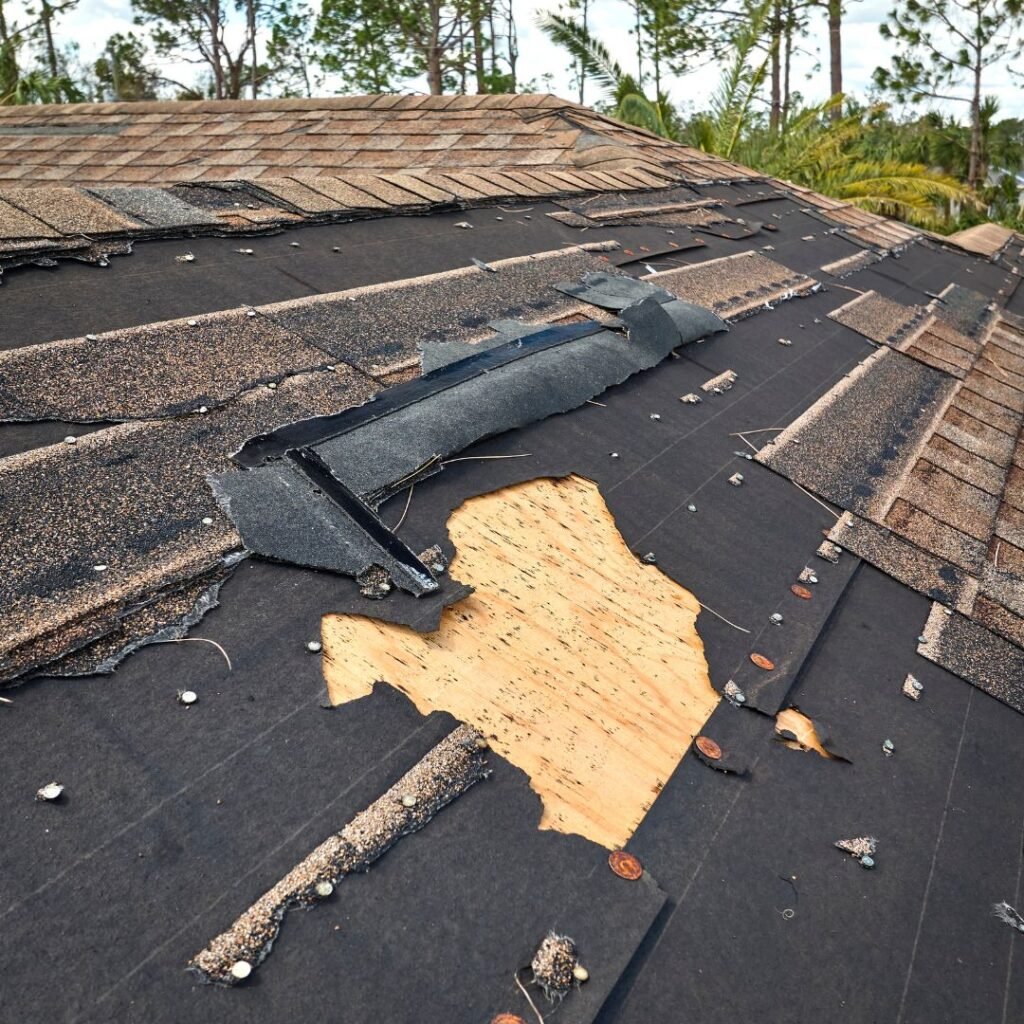
Flashing seals high-risk areas like chimneys, plumbing vents, attic vents, skylights, and roof valleys. When flashing becomes damaged, the roof becomes vulnerable to wind-driven rain, something Florida experiences often.
Signs include:
- rust stains
- loose metal pieces
- gaps around vents or chimneys
- dried, cracked roof sealant
Even minor flashing issues can cause major leaks during storm season.
8. Unexpectedly High Energy Bills
If your energy costs have increased dramatically, it may be due to heat entering your attic through a compromised roof system. Poor ventilation and moisture buildup both affect your home’s ability to regulate temperature.
Florida homeowners often see this problem during summer months when air conditioning runs constantly.
9. Musty Odors, Attic Humidity, or Indoor Mold Growth
Florida’s already high humidity makes homes especially susceptible to mold, and even small roof leaks can create large moisture pockets.
Common warning signs:
- musty smells near the ceiling
- damp insulation
- visible mold in the attic
- condensation on rafters
Any of these indicate that your roof is allowing moisture inside.
10. Your Roof Is 15–20+ Years Old
Florida roofs age faster due to intense sun exposure and harsh storm conditions. Even well-maintained roofs eventually begin to fail around the 15–20 year mark.
Older roofs are more likely to:
- lose shingles in storms
- leak around flashing
- crack due to heat
- develop mold in the underlayment
If your roof is nearing this age range, annual inspections are essential to prevent costly damage.
Why Roof Problems Are More Common in Florida
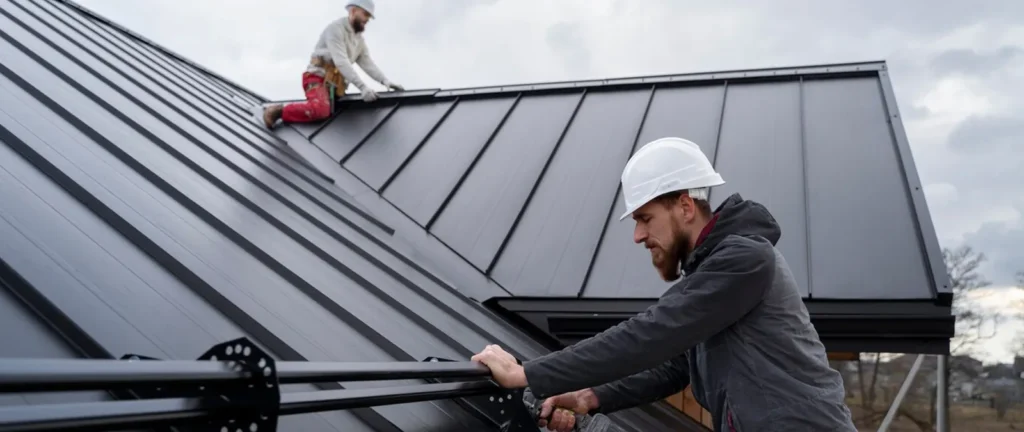
Florida’s unique climate stresses roofing systems in ways many homeowners don’t realize:
🌞 Extreme UV radiation breaks down shingles faster.
🌧️ Heavy rainfall leads to frequent leak development.
💨 Wind uplift from storms loosens shingles and flashing.
🌊 Salt air corrodes nails and flashing near coastal areas.
🔥 High heat + humidity accelerates aging and mold growth.
🌪️ Tropical storms & hurricanes cause sudden structural damage.
Because of these conditions, roof maintenance and fast repair response are absolutely essential for Florida homeowners.
When to Contact Alpha and Omega Builders of Jacksonville INC
You should schedule a professional inspection if you notice:
✔ any type of leak
✔ loose, damaged, or missing shingles
✔ mold or humidity in the attic
✔ storm damage after heavy winds
✔ sagging rooflines
✔ flashing that looks rusted or loose
Alpha and Omega Builders of Jacksonville INC specializes in Florida-specific roofing problems and offers:
- detailed roof inspections
- emergency storm damage repair
- shingle, metal, and tile roof repairs
- full roof replacements
- insurance claim assistance
- maintenance programs tailored for Florida homes.
Protecting your home starts with addressing issues before they turn into costly structural damage.
Frequently Asked Questions (FAQs)
1. How often should homeowners get a roof inspection in Florida?
At least once a year. Additional inspections are recommended after tropical storms or hurricanes.
2. Does Florida’s climate shorten roof lifespan?
Yes. High heat, humidity, and storms mean most Florida roofs last 15–20 years instead of 25–30.
3. Should small roof leaks be repaired quickly?
Absolutely. Even tiny leaks cause major mold, rot, and structural damage in Florida’s moisture-heavy environment.
4. What are the most common roof issues in Jacksonville?
Wind damage, shingle loss, worn flashing, attic humidity issues, and storm-driven leaks.
5. Can repairing a roof extend its lifespan?
Yes. Regular maintenance and timely repairs can add several years to your roof’s life.
